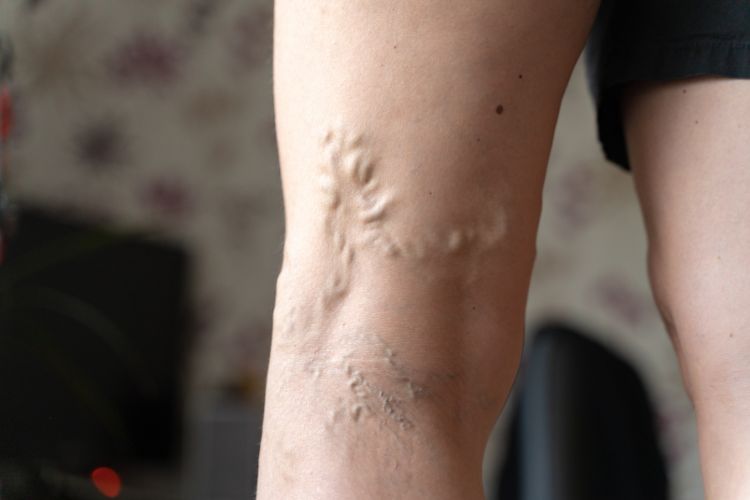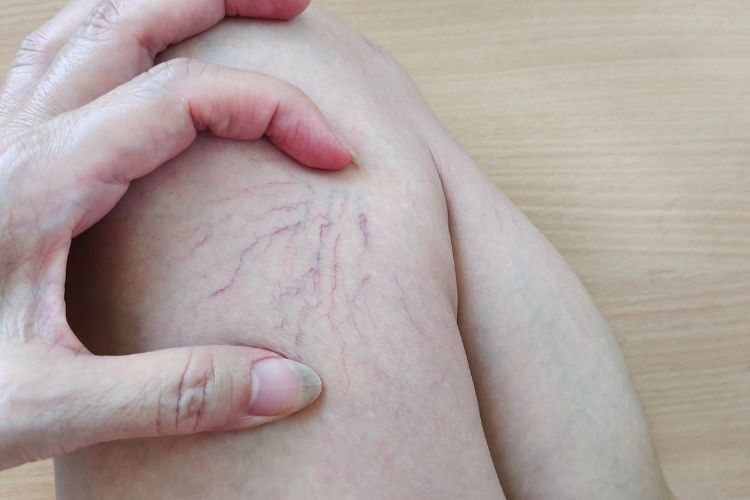
Varicose veins might run in some families. While these may not be prevented, healthy lifestyle changes and habits can reduce their risk. Though you find mild visible veins, reaching our experts can help you adopt the right measures and prevent complications.
Lifestyle changes
Minimal daily changes can greatly ease symptoms and protect your legs from varicose veins.
- Elevating your legs when sitting can take off the pressure from the veins and improves blood flow.
- Consider raising your legs after long periods of sitting and standing.
- Avoid prolonged saunas and hot water baths.
- Do not wear tight clothing around your thighs or waist, as it might impair venous return.
Exercise and mobility
Regular exercise strengthens calf muscles and improves circulation in the legs.
- Activities including walking and cycling every day are helpful.
- Avoid lifting weights, yoga, and distance running, as they stress your veins and disrupt blood flow.
Consult our medical team for a customized mobility plan to support your legs and veins.
Weight control
Being overweight can put excess pressure on the leg veins and worsen varicose vein symptoms.
- Healthy and gradual weight loss through diet and exercise can ease the discomfort.
- Controlling your weight can improve vein health and overall well-being.
Experts at Treatment Range Hospitals can provide you nutrition counseling and weight management programs for a healthy weight.
Compression stockings
Wearing compression stockings can assist blood flow in the correct direction. They prevent blood pooling in the leg, foot, or ankle. The stockings apply pressure to different parts of the legs and feet so blood moves through the veins.
Properly fitting stockings are effective. Get advice from our medical experts and learn the right way to pick and wear.
Healthy diet
A vein- and heart-friendly diet should focus on the following:
- Enough hydration to ease blood flow
- Foods with ideal fiber content helps prevent constipation and straining of veins
- Fruits and vegetables rich in micronutrients and antioxidants support vessel health
- Limiting sodium or high-salt foods helps reduce swelling
Our dietitians help you with a customized dietary plan to support your veins’ and overall health.
Varicose veins and workplace tips
Many professions require prolonged sitting or standing, worsening the symptoms of varicose veins.
- Short walks at least once in an hour can activate calf muscles and improve blood flow.
- Crossing your legs can disrupt blood flow and put extra pressure on veins.
- Try simple desk exercises such as ankle circles, raising and lowering heels, flexing and pointing toes, and extending legs.
- Using a footrest can prevent discomfort and encourages better leg positioning when sitting.
- Do not stand for long periods. Move whenever possible.
- Wear shoes with proper support, as it reduces discomfort and fatigue.
- If there is swelling in your legs, sit down and elevate them above heart level to help reduce swelling.
Schedule a consultation with our experts to know more about your vein health and management options.
Pregnancy prevention tips for Varicose veins
Your body goes through a lot of changes in pregnancy, increasing the risk of varicose veins. Increased blood volume, hormonal changes, and extra fetal pressure on the pelvis and legs can cause veins to twist and swell. The following measures help prevent varicose veins in pregnancy:
- Avoid crossing your legs when sitting, as it is not good for circulation
- Keep changing your position when sitting or standing for extended periods
- Keep your feet elevated when sitting
- Sleep towards your left side to reduce pressure on large veins
- Wear supportive compression stockings only upon doctor’s advice
- Limit sodium or salt intake
- Stay active by doing pregnancy-safe exercises.
Varicose veins usually improve post-delivery, but some may remain and need medical intervention. Consult our obstetric and vascular specialists for proper guidance on safe methods to prevent varicose vein problems in pregnancy.
Varicose veins may cause high discomfort, but they are manageable. Reach out to Treatment Range Hospitals even before they bother you to lower the risk of complications. Our multidisciplinary medical team will be ready to provide you safe and personalized care.
References